
Home
Floor Cleaning & Restoration in West Palm Beach, FL
IICRC-certified water damage, mold, fire, carpet, tile, and air duct cleaning across Palm Beach County. Available 24/7 with a 30-minute emergency response.
Trusted Cleaning & Restoration Since Day One
Global Cleaning and Restoration is a licensed, insured, IICRC-certified company serving West Palm Beach, Boca Raton, Boynton Beach, Delray Beach, and all of Palm Beach County. Whether it’s a flooded home, fire damage, mold, or stained tile and grout — our team responds within 30 minutes, 24/7.
Cleaning & Restoration, Done Right
Comprehensive residential and commercial services across Palm Beach County. Every job backed by IICRC certification and full insurance coordination.
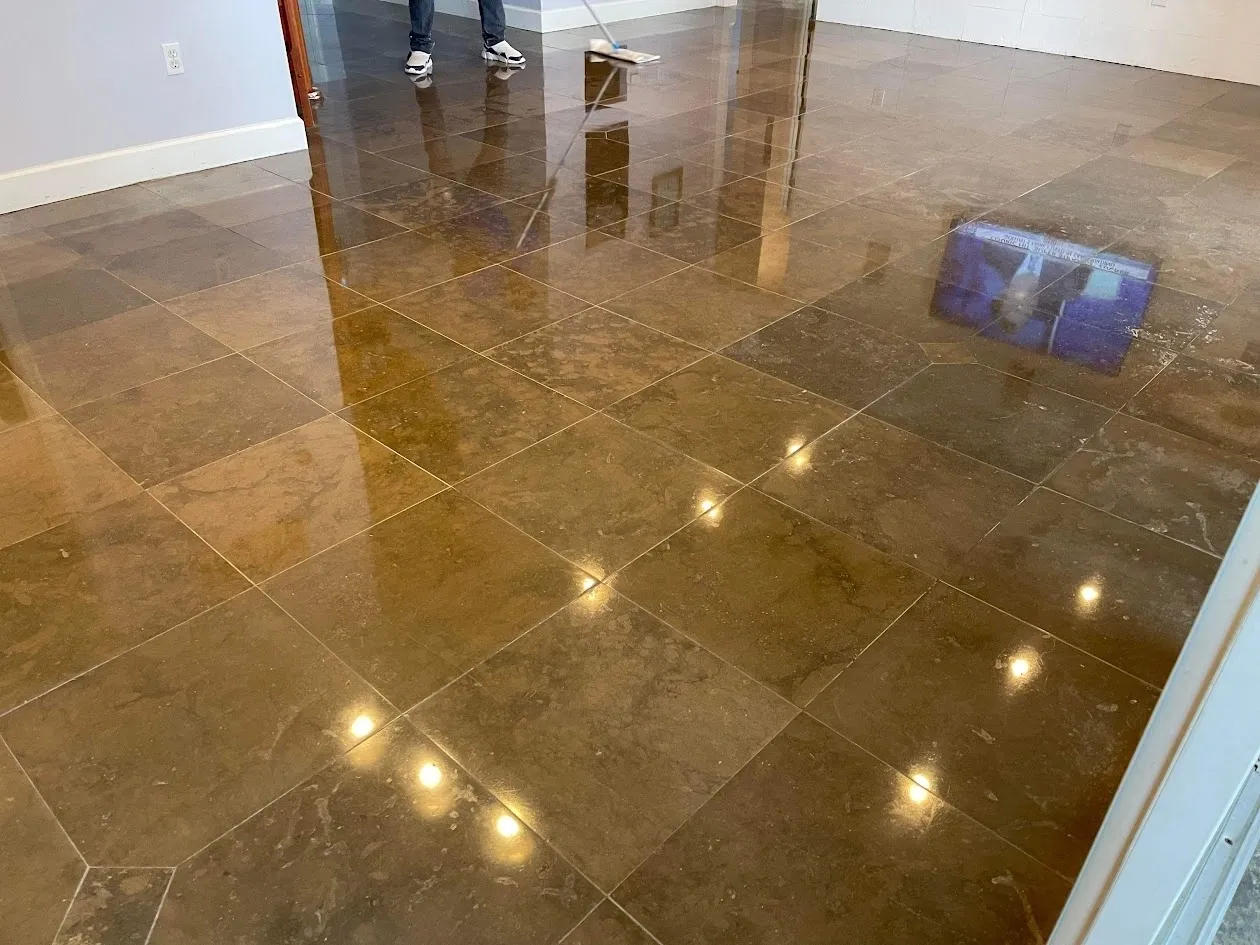
Floor Cleaning
Residential and commercial floor cleaning, marble polishing, and tile & grout restoration for Palm Beach County homes and businesses.
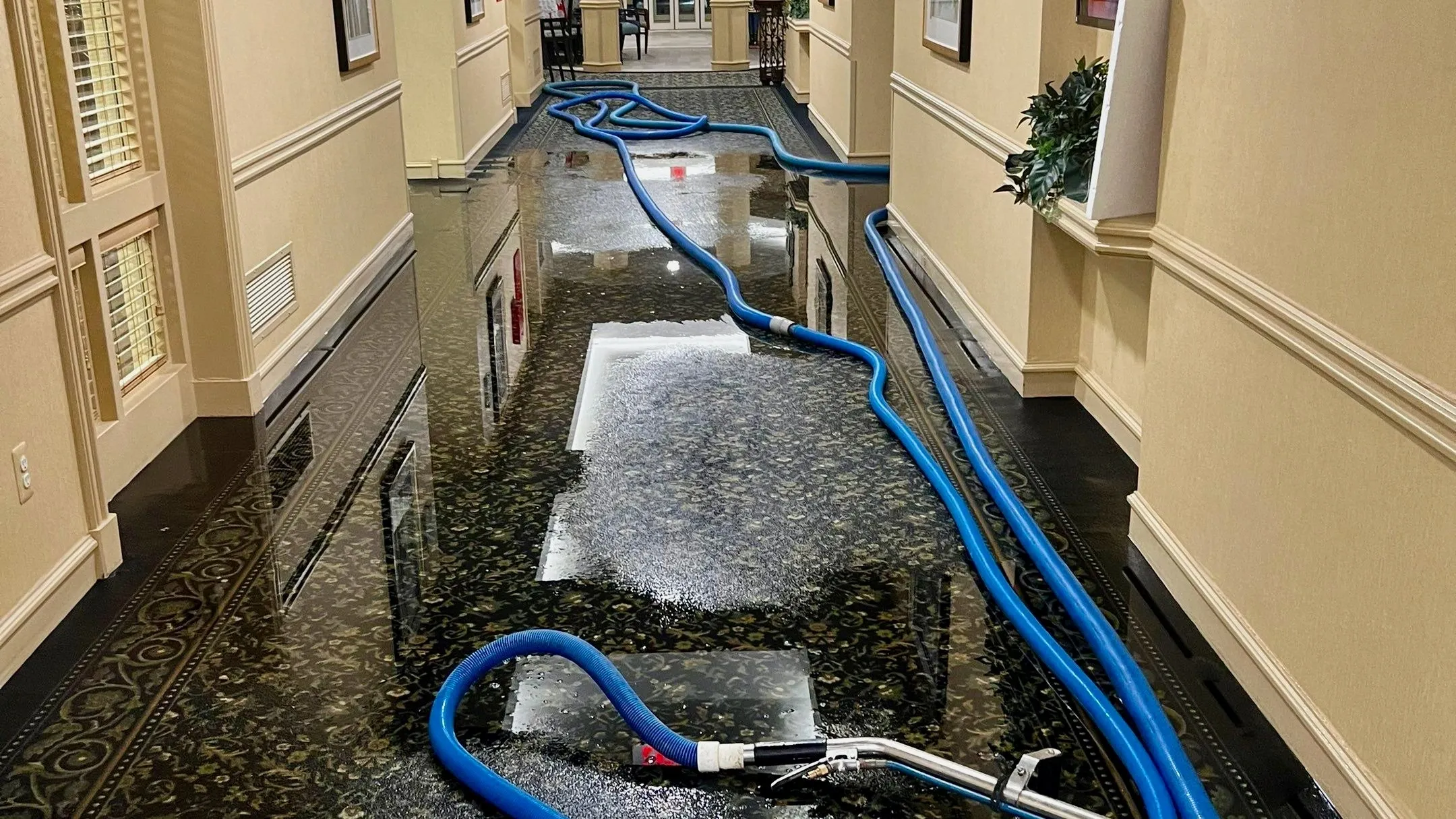
Water Damage Restoration
24/7 emergency water extraction, structural drying, and flood cleanup. IICRC-certified with full insurance billing support.

Fire & Smoke Damage
Soot removal, structural cleanup, odor neutralization, and content restoration after fire or smoke damage.
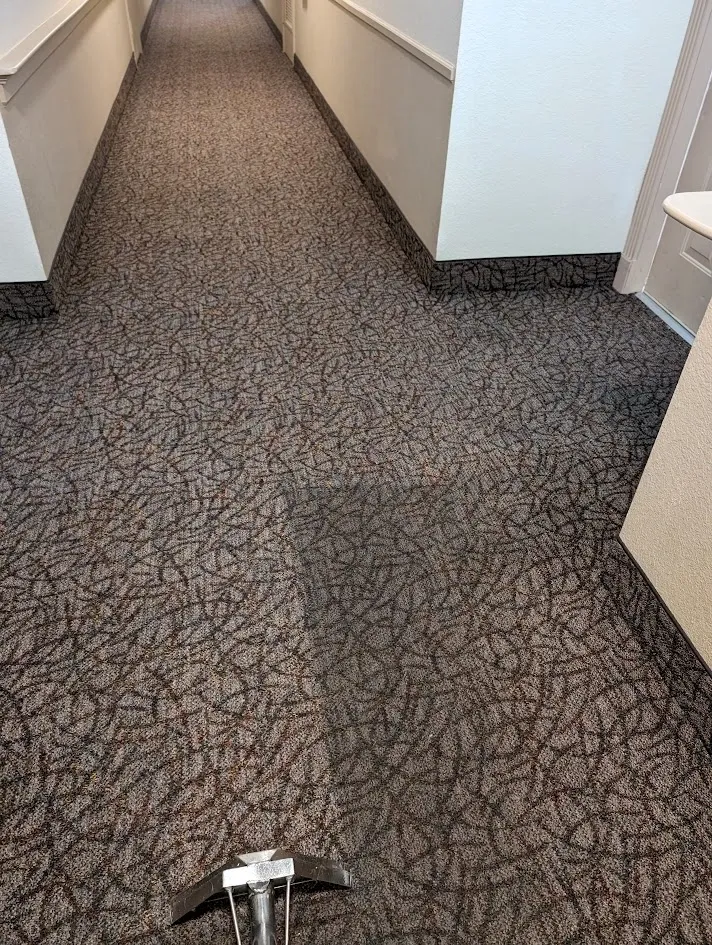
Carpet & Rug Cleaning
Deep-clean carpet, rug, and upholstery cleaning using IICRC-approved hot water extraction and stain treatment.

Mold Remediation
Licensed mold inspection, containment, and removal with post-remediation clearance testing and insurance support.
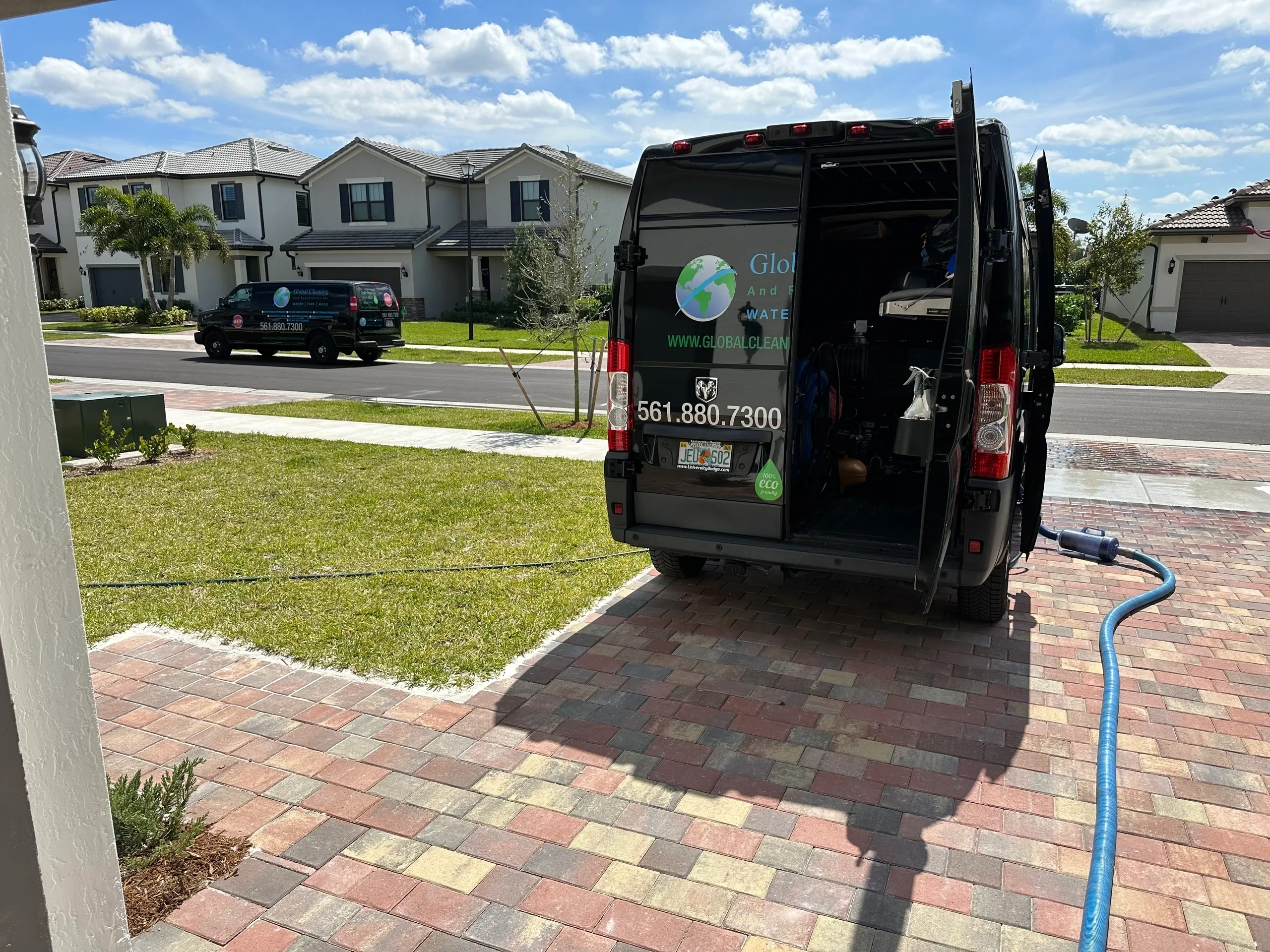
Air Duct Cleaning
HVAC and air duct cleaning that removes dust, allergens, and contaminants — improving indoor air quality and HVAC efficiency.
Why Palm Beach County Trusts Global
When disaster strikes or your space needs a deep clean, the difference is in the details — certifications, response time, and how we treat your property.
IICRC-Certified Technicians
Every technician is trained and certified by the Institute of Inspection, Cleaning and Restoration Certification — the industry gold standard.
30-Minute Emergency Response
Water, fire, and storm emergencies don’t wait. Neither do we. We mobilize within 30 minutes of your call, 24/7.
Direct Insurance Billing
We work directly with all major insurance carriers — handling documentation, photos, and claim support so you don’t have to.
Licensed & Insured in Florida
Fully licensed Florida restoration contractor with general liability and workers’ comp coverage — protecting your property and our team.
Advanced Industrial Equipment
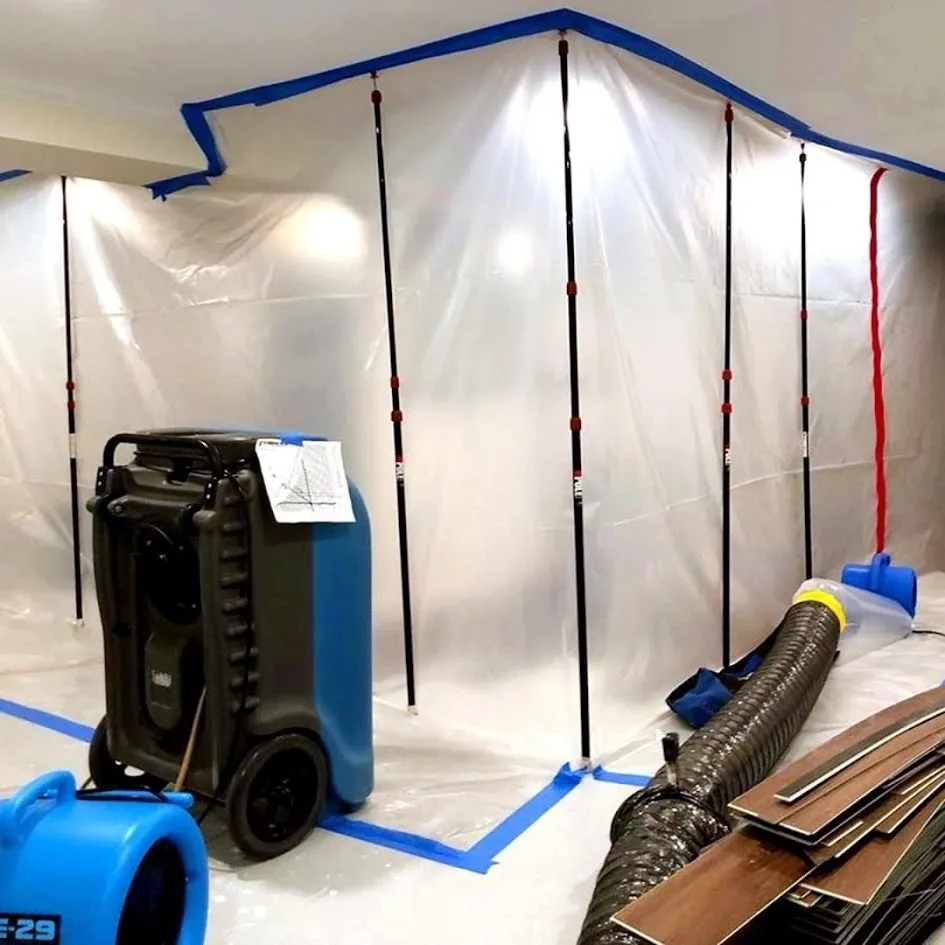
Truck-mounted extraction, commercial-grade air movers, dehumidifiers, HEPA filtration, and thermal imaging on every restoration job.
Local Palm Beach County Experts
South Florida born and operated. We know the climate, the storm patterns, and the unique mold and water challenges of every neighborhood.
Rooted in Integrity. Built on Results.
Global Cleaning and Restoration was founded on one principle: when a Palm Beach County family or business calls us in a crisis, they get a partner — not just a vendor. We show up fast, communicate clearly, and treat every property like our own.
From a single flooded laundry room to a multi-story commercial water loss, we apply the same standard of care: IICRC-certified protocols, advanced equipment, and a transparent process that keeps you and your insurance carrier informed every step of the way.
Serving All of Palm Beach County, FL
24/7 emergency cleaning and restoration services throughout Palm Beach County and surrounding communities.
Frequently Asked Questions
Everything Palm Beach County homeowners and property managers ask us about cleaning, restoration, and emergency response.
How fast can you respond to a water damage emergency?
Our team arrives within 30 minutes of your call, 24/7, anywhere in Palm Beach County. The faster water is extracted, the lower the risk of secondary mold damage and structural issues.
Do you bill insurance directly?
Yes. We work directly with every major insurance carrier — handling documentation, photos, moisture readings, and claim communication so you can focus on your family or business.
What is IICRC certification?
The IICRC sets the industry standards for water damage, mold, fire, and carpet cleaning. Hiring an IICRC-certified company means your insurance claim is backed by certified protocols.
How much does water damage restoration cost?
Most residential projects in Palm Beach County range from $1,500 to $7,500 depending on the size of the affected area, water category, and structural drying needs. We provide free on-site assessments.
Do you serve commercial properties?
Yes. We service single-family homes, condos, HOA communities, retail spaces, restaurants, medical offices, schools, and large commercial buildings throughout Palm Beach County.
What areas do you serve?
All of Palm Beach County, including West Palm Beach, Boca Raton, Boynton Beach, Delray Beach, Lake Worth, Wellington, Royal Palm Beach, Palm Beach Gardens, Jupiter, and surrounding communities.
Need Emergency Cleaning or Restoration?
24/7 response. IICRC-certified. Direct insurance billing. We’re 30 minutes away — anywhere in Palm Beach County.